Brands We Love
Japanese Guitars & So Much More
We specialize in Japanese-made instruments but our passion doesn't stop there. From vintage Japanese classics to modern players, if it's exceptional we want to find it a home.
Founded in Tokyo in 1975, ESP's Japanese-made instruments are among the finest electric guitars ever built. Precision craftsmanship, exceptional hardware, and tone that speaks for itself.
Ask About ESPESP's flagship domestic brand, built exclusively for the Japanese market. Navigator guitars represent the absolute pinnacle of production guitar craftsmanship — rare, desirable, and extraordinary.
Ask About NavigatorHand-crafted in Nagano by master luthiers, Momose guitars are a best-kept secret outside Japan. Flawless fretwork, premium materials, and tone that rivals instruments costing three times as much.
Ask About MomoseBeloved worldwide for faithful reproductions built with premium tonewoods. Tokai MIJ guitars are a must-play for any serious guitarist — exceptional value and quality.
Ask About TokaiAnd Many More — 20+ Brands & Counting
Don't see your brand? Just ask →
The Case for Japan
Why Japanese Guitars Are Special
Japanese guitars deliver world-class craftsmanship, often rivaling major American brands at a fraction of the price.
Uncompromising Craftsmanship
Japanese luthiers applied principles of monozukuri — the art of making things — to guitar production. The result: tight tolerances, superior fretwork, and consistency unmatched by many Western factories.
Premium Materials
Access to exceptional mahogany, alder, and maple, combined with Japanese hardware manufacturing expertise, produced instruments with outstanding resonance and sustain.
Undervalued by the Market
Many players still underestimate Japanese guitars, creating exceptional value for those in the know. A vintage Greco or Tokai often plays better than guitars costing five times as much.
Rising Collector Interest
As word spreads about the quality of these instruments, values are steadily climbing. Buying now means acquiring exceptional guitars before prices reflect their true worth.
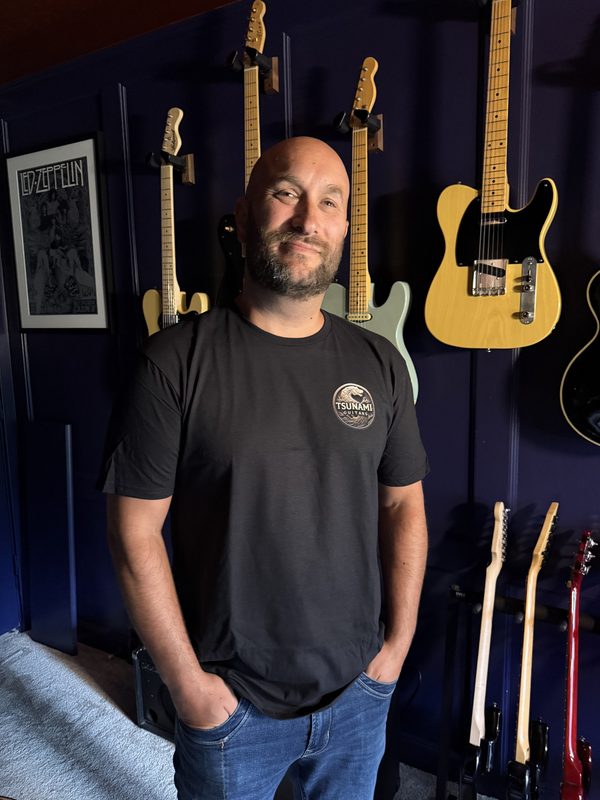
Derek
Founder · Tsunami Guitars
Our Story
About Tsunami Guitars
It started the way most great obsessions do — innocently. In 2018, a first guitar purchase opened a door. What walked through it was a purple burst Burny Les Paul that changed everything. The weight of it, the resonance, the craftsmanship hiding in plain sight under a brand most people had never heard of. It was better than it had any right to be.
That discovery sent me down a rabbit hole with no bottom. In 2019, that passion became a pilgrimage — a trip to Japan that included a visit to the ESP factory and a look inside the workshop where Navigator guitars are built by hand. Standing in that space, watching luthiers work with the kind of quiet precision that takes decades to develop, something clicked. These weren't just guitars. They were the result of a manufacturing culture that treated instrument-building as a craft worthy of a lifetime's devotion.
Tsunami Guitars exists because not enough people know this story. Based in Calgary, Alberta, we source, hand-select, and rehome the finest Japanese-made instruments we can find — connecting players with guitars that will genuinely change how they think about quality, value, and what a great instrument can feel like in your hands.
Owner Derek Rodgers has owned, bought, sold, and evaluated more than 500 guitars, including over 200 Japanese-built instruments.
Buyer Confidence
Why Buy From Tsunami Guitars
A real person, a real location, and a genuine passion for getting you the right guitar.
Based in Calgary, AB
531 Ranch Estates Pl NW, Calgary, AB T3G 1M1. A real address, a real person — not a drop-shipper or faceless warehouse.
Verified Seller
500+ completed sales. 5-Star rated on Reverb with hundreds of verified buyer reviews. We've been doing this for years.
Secure Checkout
Pay via Stripe, PayPal, or Interac e-Transfer. All transactions are encrypted and secure. Never any hidden fees.
Real Inventory
Every guitar listed is physically in hand, personally inspected, and accurately described. What you see is exactly what you get.
Fast Human Response
Text or call Derek directly at 306-491-6409. Email replies within 24 hours. No bots, no wait queues.
Trusted by Collectors
From first-time buyers to seasoned collectors across Canada, the US, and beyond — Tsunami Guitars has earned its reputation one guitar at a time.
Every Single Order
Our Shipping Promise
Double-Boxed
Every guitar is packed inside its case, then inside a purpose-built outer box with foam padding.
Fully Insured
All shipments are insured for full purchase value. If something goes wrong in transit, you're covered.
Tracking Provided
You'll receive full tracking information as soon as your guitar ships. No guessing, no waiting in the dark.
Packed by Experience
500+ guitars shipped safely. We know how to pack a guitar so it arrives exactly as it left.
Peace of Mind
Returns & Buyer Protection
Returns Policy
If a guitar arrives in a condition materially different from its description, contact us within 48 hours of delivery. We will work with you to make it right — full stop. We stand behind every instrument we sell.
Damage Claims
In the rare event of shipping damage, document it with photos immediately and contact us. All shipments are insured and we will handle the claim process on your behalf.
Condition Disclosure
Every guitar is graded and described honestly. We disclose all wear, modifications, and repairs. Photos show the actual instrument — not stock images. If you have questions about a specific guitar, just ask.
Response Times
Email: within 24 hours. Phone/text: same day. We're a small operation run by someone who actually loves guitars — your questions get real answers, not templates.
Verified Buyers · Reverb
What Collectors Say
"Great seller who communicates very well, which is so important in this day of wacky shipping and all that can go wrong. Do not hesitate to buy from Tsunami."
Dem B.
Greco Super Real 1979 · Nov 2024
"Excellent transaction. Quick shipping. Highly recommended seller."
Simon W.
Tokai Love Rock 2020 · Aug 2025
"Great guitars, lot's of fun. Expert packaging and quick shipping."
Phil B.
Navigator ESParto 70's · Jan 2026
"Nice guitar, fast shipment, good communication. A+++++"
Rob L.
Greco EG 700 1977 · Oct 2025
Follow Along
Find Us on Social
New guitars, behind-the-scenes finds, and gear content across all platforms.
Tsunami Guitars · Private List
The Insider List
First Access · Rare Arrivals · Collector Intelligence
🥇
First Access
Every new arrival hits your inbox before it goes on Reverb or anywhere else.
🎌
Rare Arrivals
The guitars too rare to list publicly — Mushroom, Momose customs, private collection pieces.
📖
Collector Intel
Market moves, hidden gems, and Japanese guitar knowledge you won't find anywhere else.
"The best Japanese guitars move fast. The ones that never make it to public listings move faster. This is how you stay ahead of both."
Annual Giveaway · Calgary
Guitar Santa
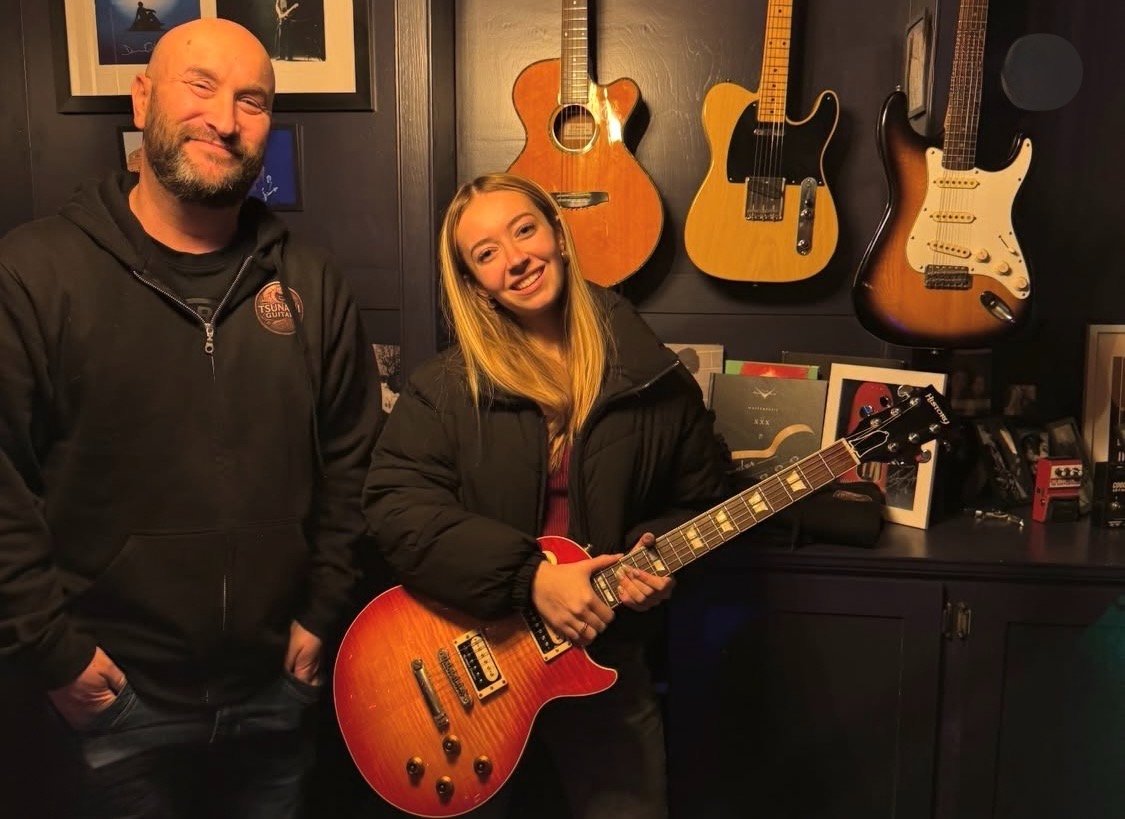
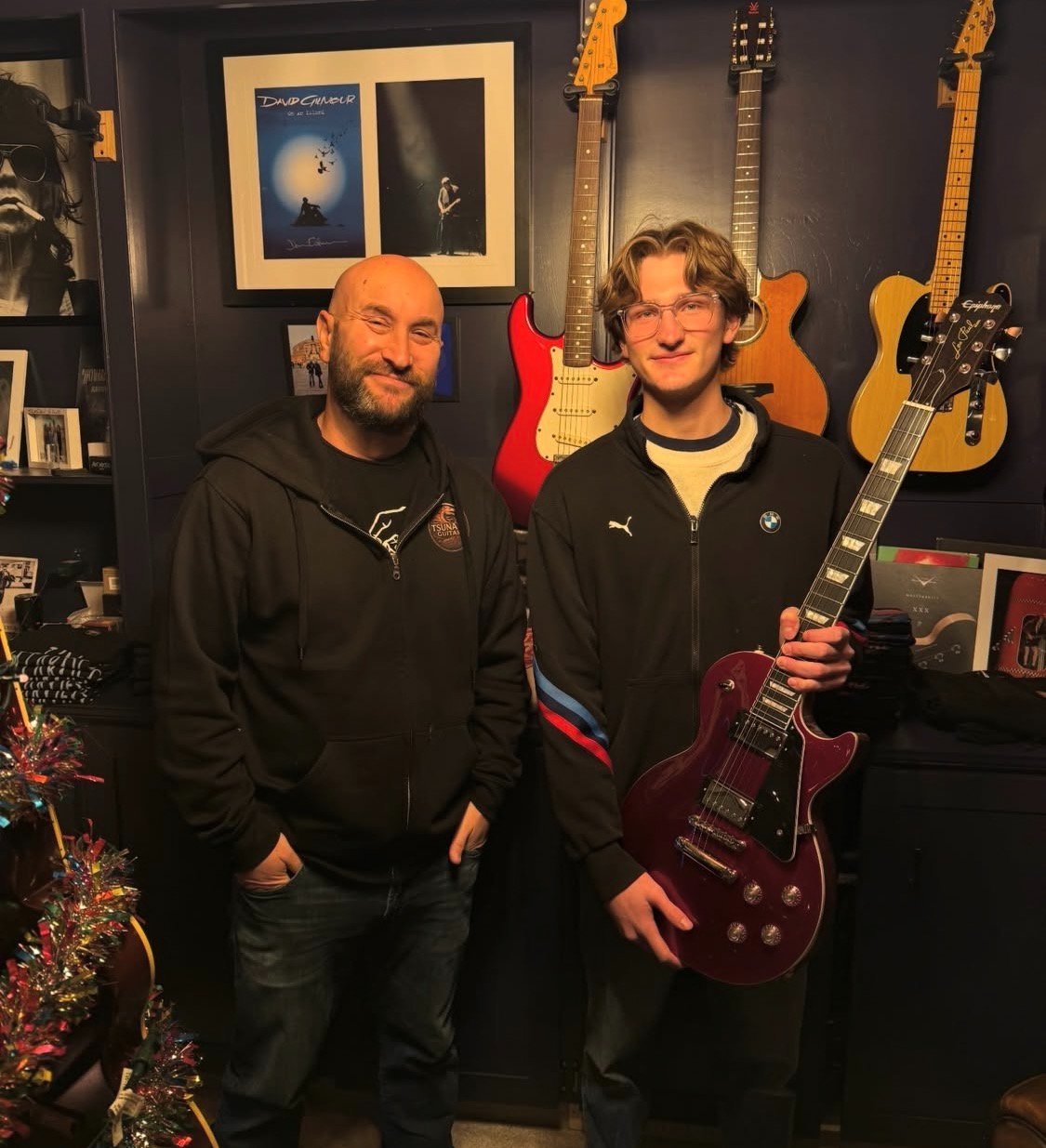
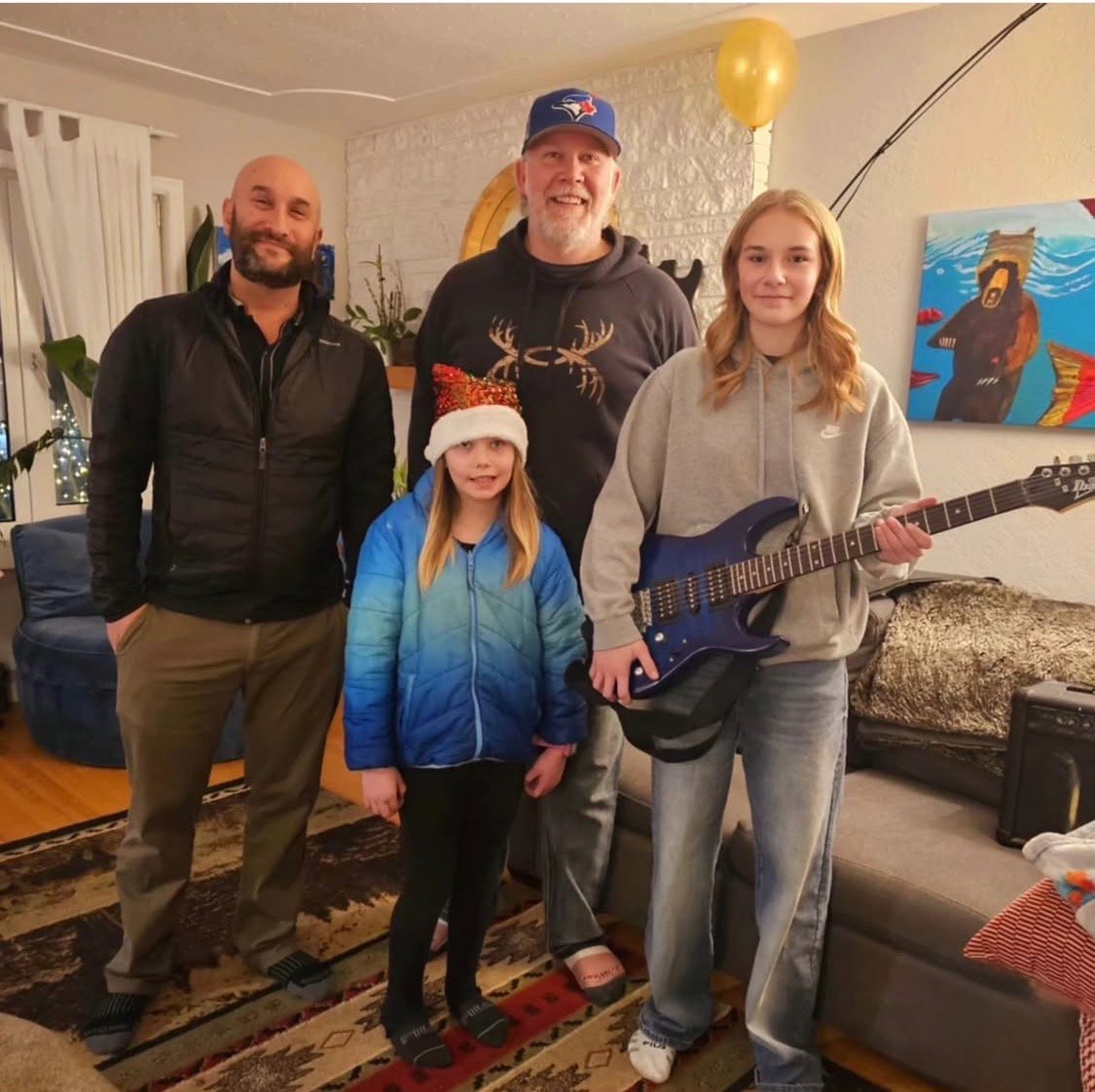
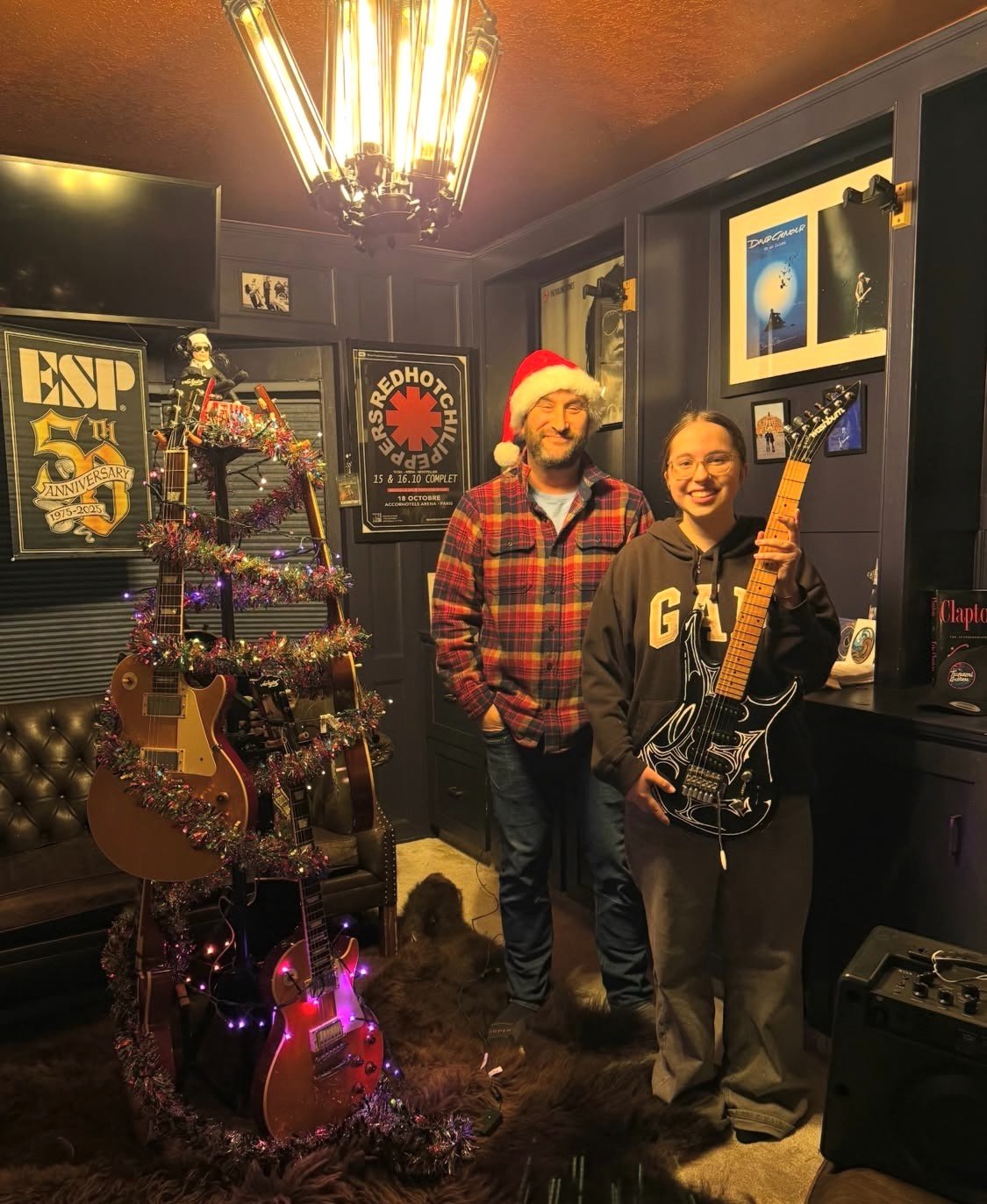
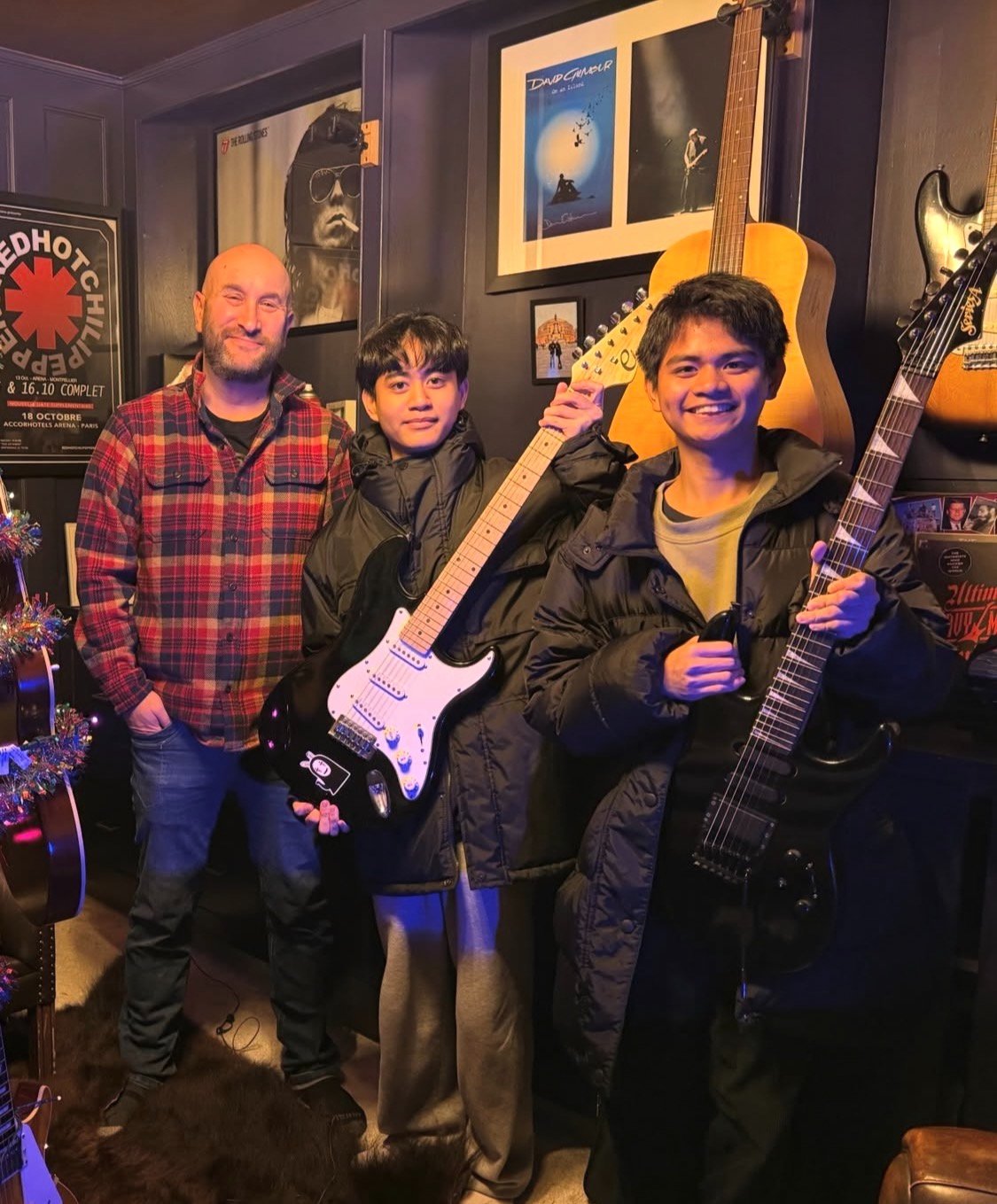
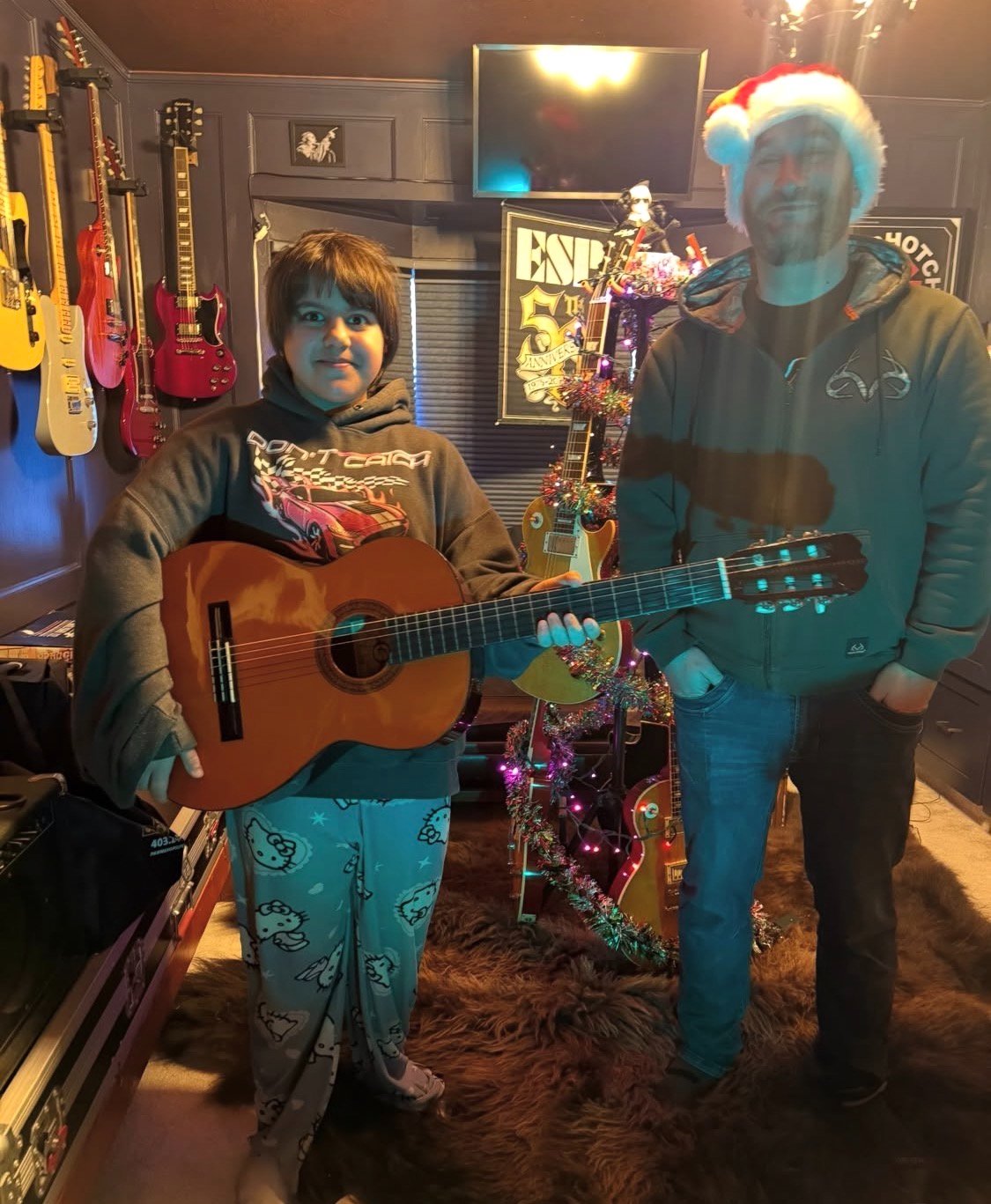
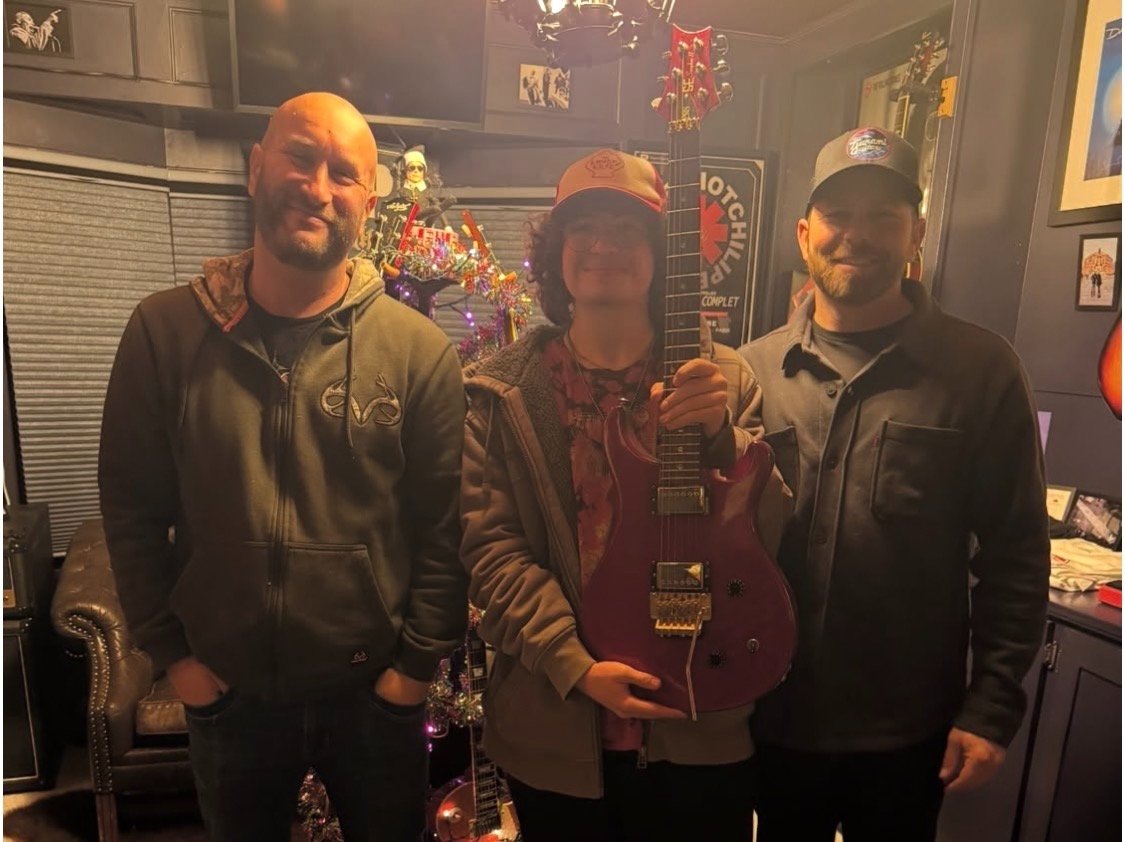
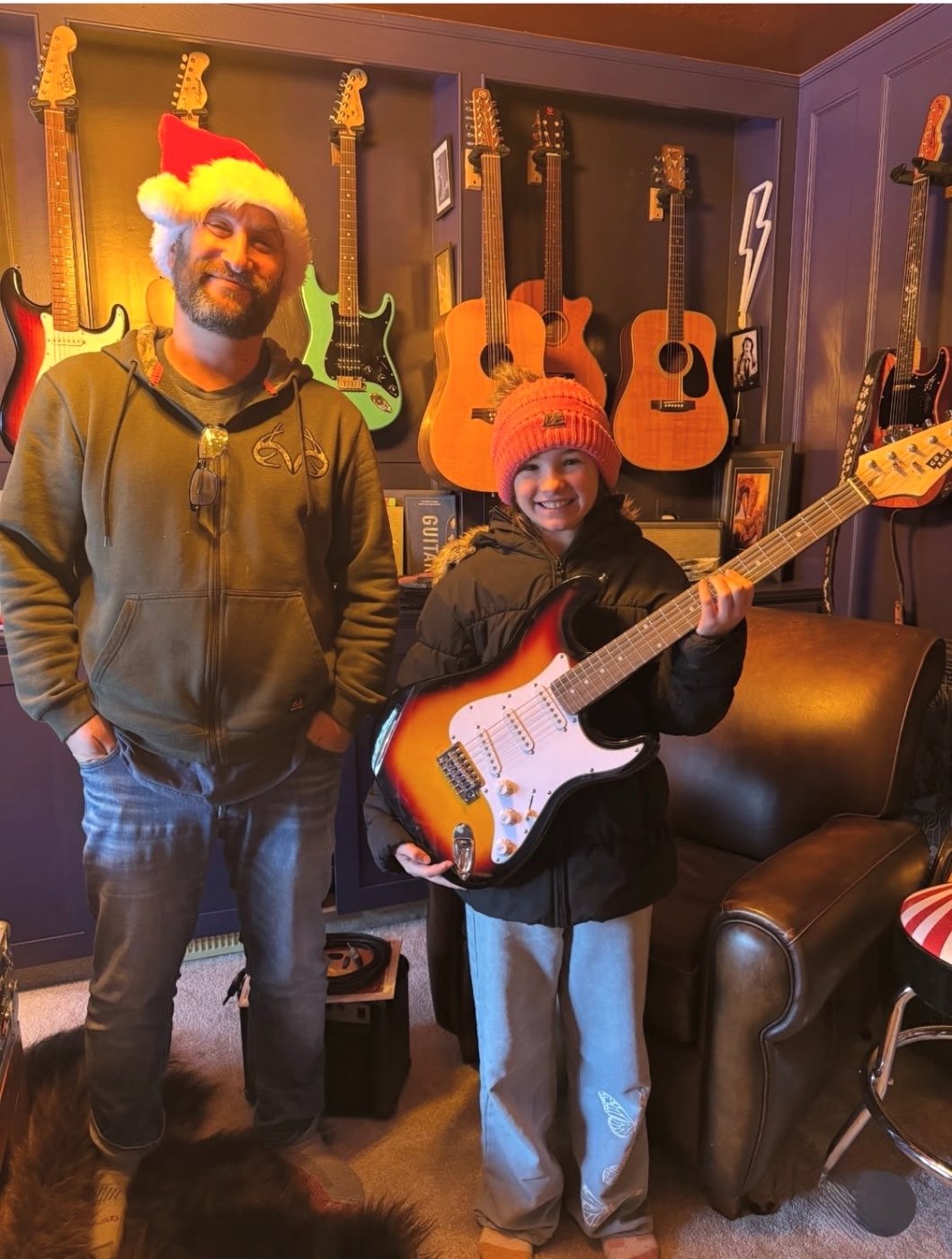
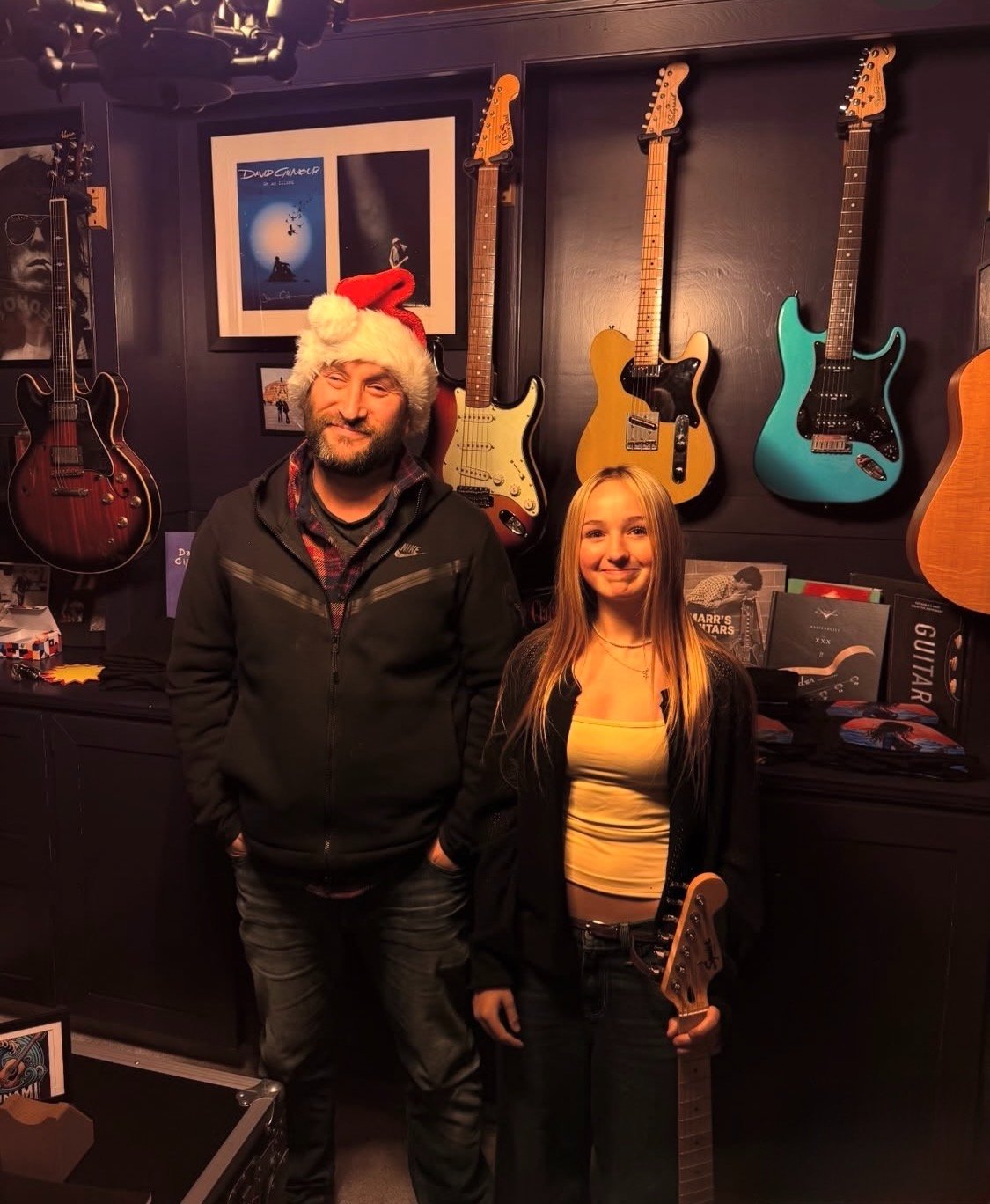
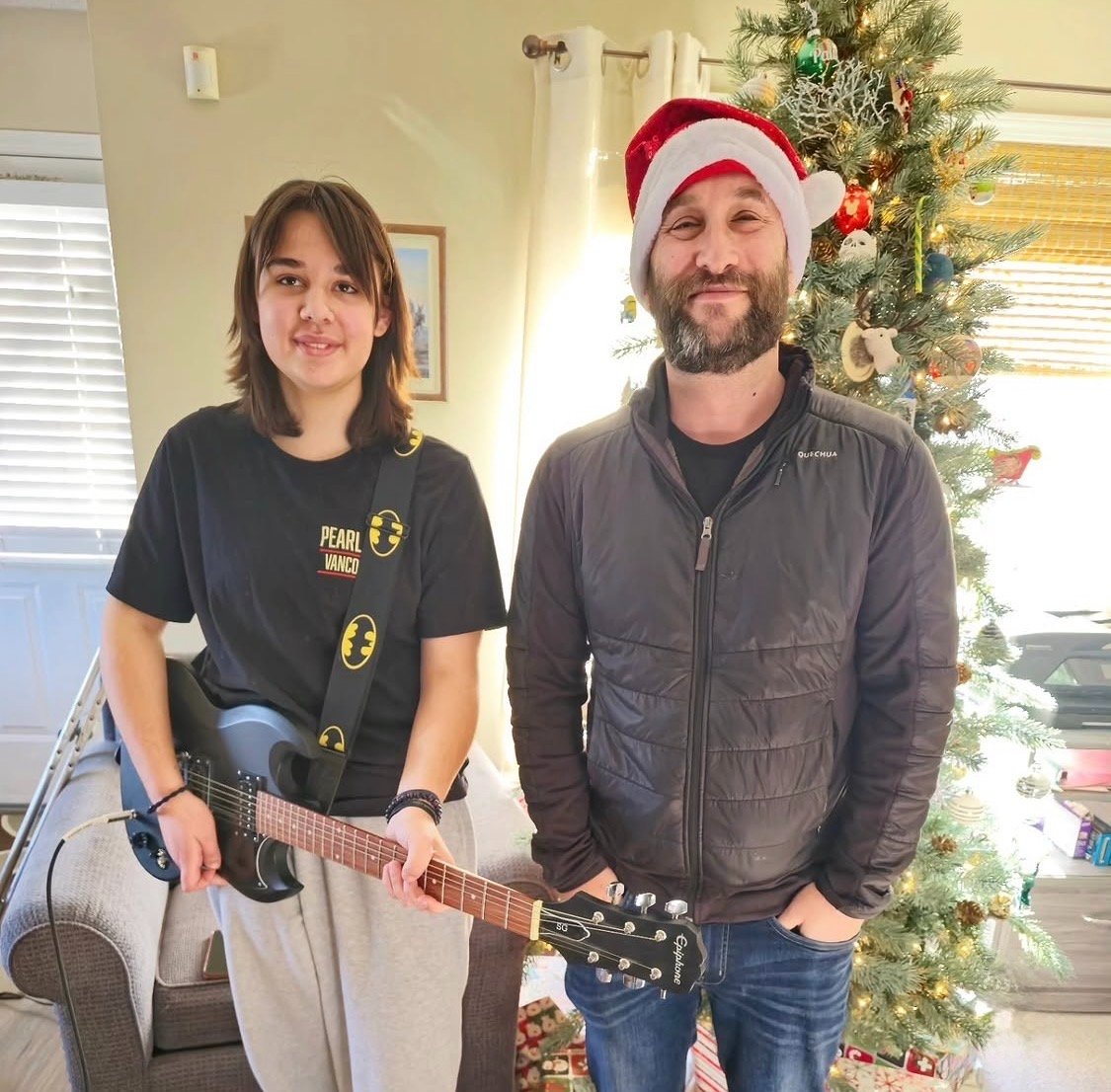
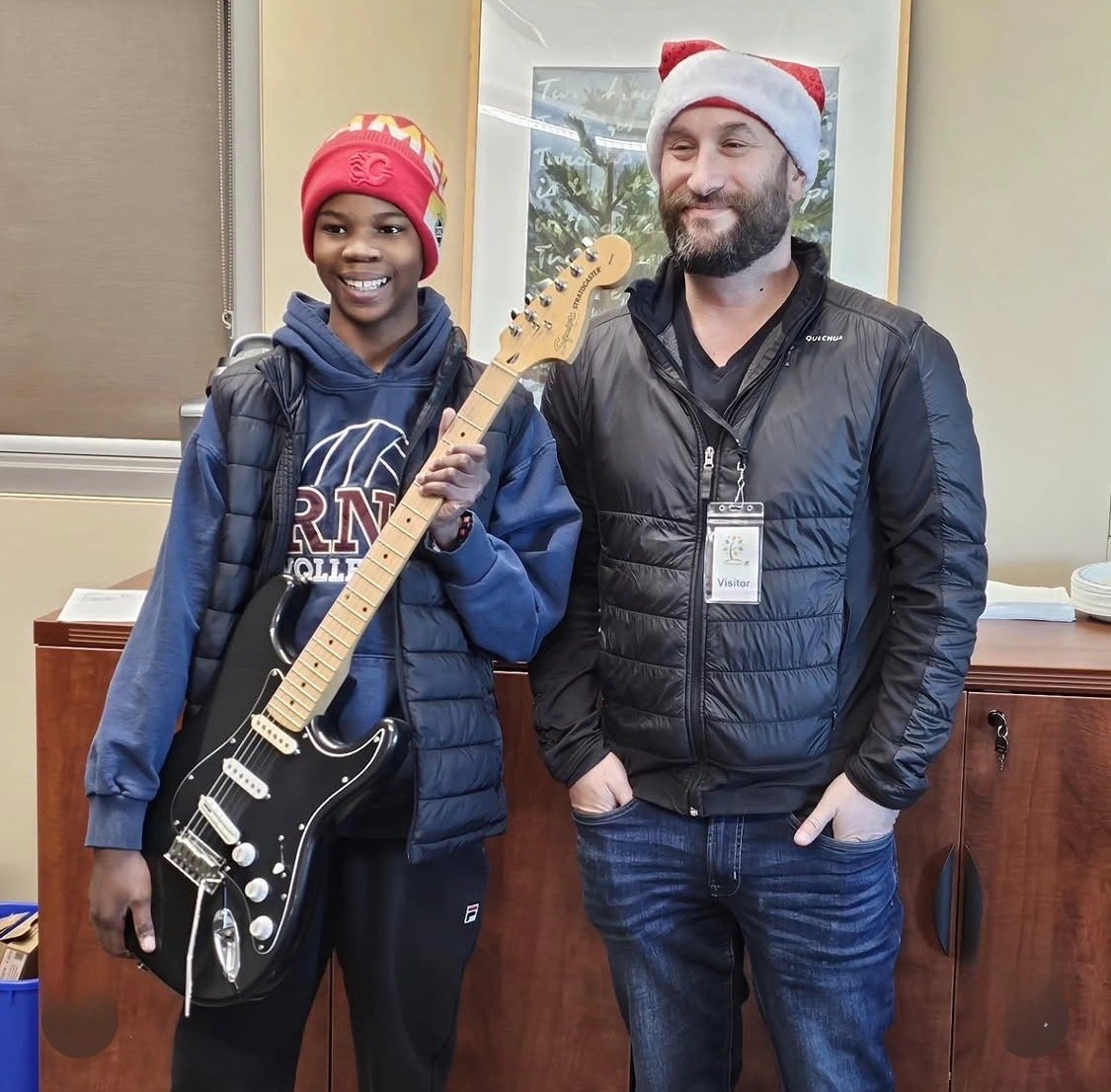
Every December, Tsunami Guitars gives complete guitar packages to Calgary kids who might not otherwise get the chance to play. No applications, no conditions — just music finding its way to young hands.
Days Until Christmas Giveaway
The Story
Why I Started Guitar Santa
I've been incredibly fortunate. Guitars have given me a passion, a community, a business — and a life I'm genuinely grateful for every day. But I know that not every family has the same opportunities, and for a lot of kids, a guitar is out of reach — not because they don't want to play, but simply because the money isn't there.
In 2021 I gave away 2 guitar packages. Seeing those kids light up told me everything I needed to know. The next year we gave away 9. Then 19. Each year it grows because people believe in it. Every guitar package includes everything a kid needs — a guitar, strap, picks, and a beginner's guide.
Every piece of merch you buy directly funds this giveaway. Thank you for being part of it.
How You Can Help
Donate Money
Interac e-Transfer to tsunamiguitarshop@gmail.com
Donate a Guitar or Gear
Got a guitar, amp, or picks collecting dust? Contact Derek directly.
Donate Lessons
Guitar teacher? Donate a lesson package and give a kid the gift of learning to play.
Shop Our Merch
Every purchase directly funds this giveaway. One of the easiest ways to help.
Want to donate, get involved, or nominate a kid? Reach out directly.
Derek’s Collection
Instruments kept close
Explore a few of the rare Japanese guitars in Derek’s personal collection.
View the private collection